
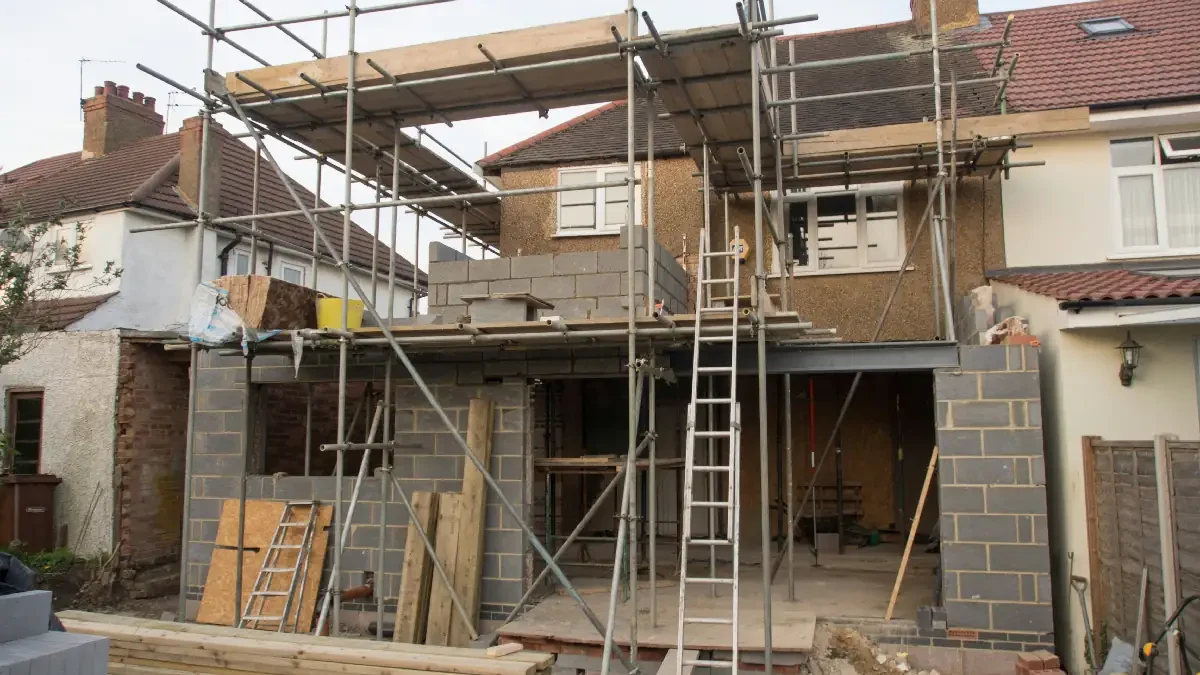
Passing Part L Extension Rules Without a Full SAP Calculation
Table of Contents
When you’re told your extension needs a SAP calculation, it can feel like another costly hurdle in an already expensive build. But it doesn’t always have to be complicated, or expensive. Here’s how we helped a client in Cheshire get their extension signed off quickly, fully remotely, without the need for a full SAP assessment.
The Problem: Building Control Flagged the Glazing
Our client had a rear extension at the design stage when building control flagged an issue. The glazing, including windows and doors, was slightly over the 25% plus openings allowance under Part L of the Building Regulations. Until this was resolved, building work couldn’t commence.
When this happens, building control will typically ask for a SAP calculation to demonstrate that the extension meets energy efficiency requirements. For many homeowners and builders, that means delays before work can even begin, additional costs, and uncertainty about what upgrades might be needed to get it over the line.
A Simpler Route to Compliance
Rather than jumping straight into a full SAP calculation, we looked at whether the extension could be passed using the area weighted U-value method instead. This is an alternative compliance route under Part L that compares the average U-value of all the thermal elements (walls, floor, roof, glazing) against the a notional extension that meets the 25% glazing target.
It’s often quicker, simpler, and far less costly than a full SAP, but it’s not always the first thing that gets suggested.
We worked entirely from the architectural plans, so there was no need for a site visit. The whole process was handled remotely, and we turned the assessment around within 24 hours, meaning the client wasn’t left waiting around to get their build started.
The Outcome: Passed With Minor Insulation Upgrades
After running the area weighted calculation, we found that with some minor upgrades to the wall and floor insulation specifications, the extension passed comfortably. No full SAP was needed. No expensive renewables. No redesign of the glazing.
Within 24 hours of being instructed, the client had everything they needed to satisfy building control and get the build underway. What could have been weeks of delays and a significantly more expensive process was resolved in a day.
Why This Matters
A lot of people don’t realise there are different routes to Part L compliance for extensions. If you’ve been told you need a SAP calculation, it’s worth checking whether a simpler method might work first.
At SAPgen, we always look for the most practical and cost-effective route to compliance. Whether that’s a full SAP, an area weighted method, or something else entirely, we’ll find the right approach for your project.
Need a SAP Calculation or Part L Compliance for Your Extension?
If you’re working on an extension in Cheshire or anywhere else in the UK, get in touch. We work fully remotely from plans, so wherever your project is, we can help.

About the Author
Ian Kay is an Elmhurst accredited On Construction Domestic Energy Assessor (OCDEA), Overheating Consultant and the founder of SAPgen. He specialises in Overheating Assessments and SAP Calculations for new builds, conversions and extensions across the UK, helping architects, builders and homeowners achieve building regulations compliance quickly and with zero stress.
When he’s not helping clients, Ian writes clear, practical guides to help the construction industry understand energy compliance, Part L / O rules and best practice build specifications.
Learn more →This article offers general guidance based on current SAP 10 and Part O practice. Every project is different, so always check the exact specification and requirements with your assessor before making design or build decisions.